
What does "ligature-proof lighting" mean?
In modern construction for psychiatric facilities and secure institutions, there are high standards for both functionality and safety. A key concept in this context is ligature-resistant lighting. But what does that actually mean—and why is it so important?
What is ligature-proof lighting?
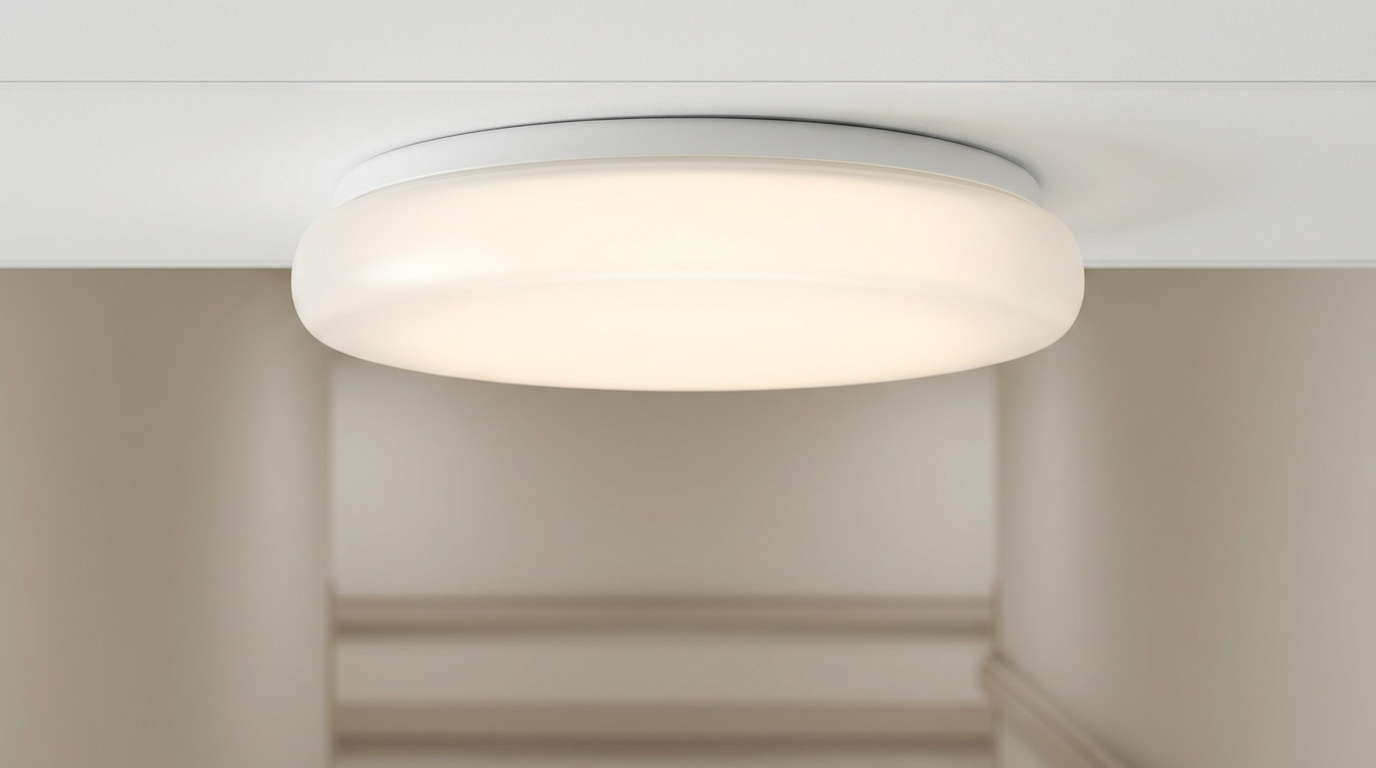
Child-safe lighting refers to fixtures designed so that they cannot be used for self-harm or hanging. This means that the fixture is constructed without protrusions, openings, or components to which objects can be attached.
Typically, a ligature-proof fixture will have:
Smooth and rounded surfaces
Close installation against the ceiling or wall
Concealed hardware and fasteners
High impact resistance (often IK10)
Enclosed design with no access to internal components
These features are essential in settings where patient safety is a priority.
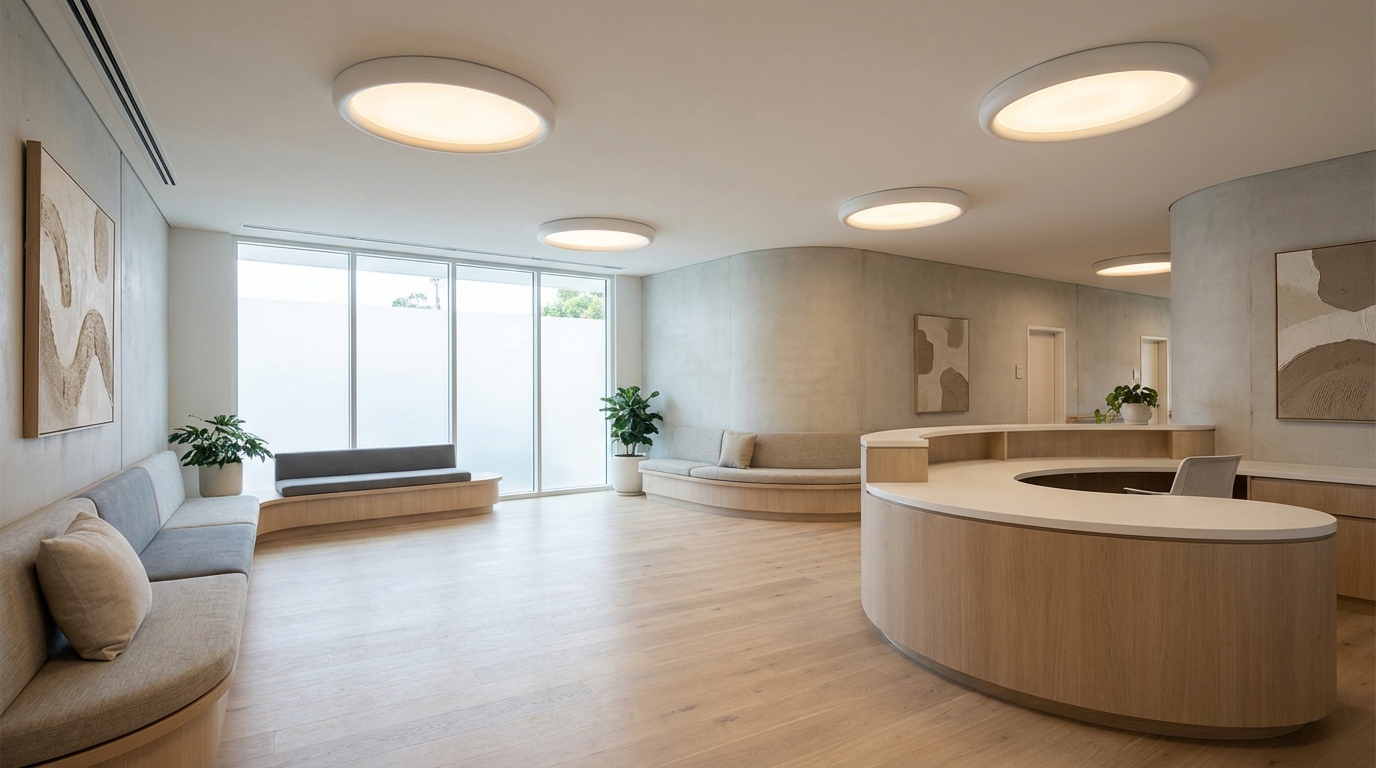
Where are ligature-proof fixtures used?
Flood-proof lighting is primarily used in:
Psychiatric hospitals
Insured institutions
Detention and prison settings
Nursing homes for people with special needs
In these settings, it is important to minimize any risk of self-harm—and lighting plays a key role in this.
The combination of safety and light quality
In the past, tamper-resistant solutions have often been a compromise between security and design. Today, it is possible to combine high security with good light quality and aesthetics.
With modern LED technology, you can achieve:
High energy efficiency
Uniform and pleasant lighting
Human Centric Lighting option
Long service life and low maintenance
This makes it possible to create safe and functional environments without compromising the user experience.
Retrofits and sustainable solutions
A growing trend is the use of LED retrofit solutions, in which existing fixtures are upgraded rather than replaced. This approach can also be used in tamper-proof installations.
Advantages of retrofitting:
Lower carbon footprint
Faster installation
Lower costs
Maintenance of existing installations
At Lumega, we work with AI-based LED insertsthat can be adapted to existing fixtures—even in projects with high security requirements, such as psychiatric facilities.
What should you keep in mind when working on projects?
When working with ligature-proof lighting, it is important to:
Ensure documentation of design and functionality
Understand the project's specific requirements
Collaboration with consultants and users
Consider safety, operation, and light quality from the very beginning
Conclusion
Restraint-proof lighting is an essential part of modern psychiatric facilities. It’s not just about meeting requirements—it’s about creating a safe environment for people in vulnerable situations. With the right solutions, you can combine safety, design, and energy efficiency—and thus create future-proof installations.
Contact Lumega to discuss which lighting fixtures are available in a ligature-proof design.